Plumstead landlords guide hiring gardeners for rental gardens
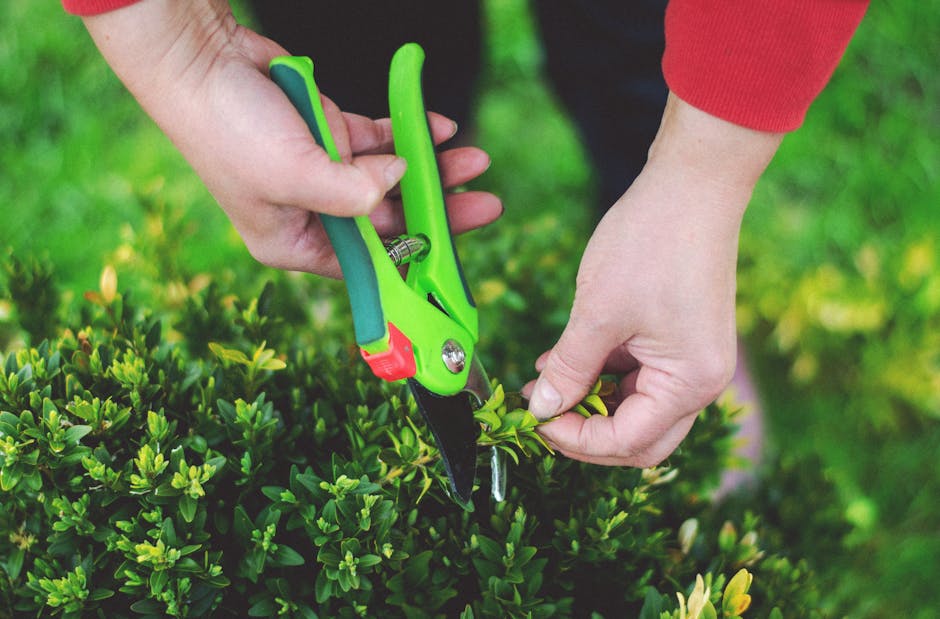
If you let property in Plumstead, the garden can quietly make or break the whole rental experience. A neat lawn, trimmed hedges, and a clear path help a home feel cared for the second a tenant steps outside. Let it slide, and suddenly the place looks tired, even if the inside is spotless. This Plumstead landlords guide hiring gardeners for rental gardens is designed to help you choose the right service, manage expectations with tenants, and keep outside space looking presentable without turning it into a constant headache.
Truth be told, rental gardens are rarely "just a quick tidy-up". They need consistency, sensible budgeting, clear responsibilities, and a bit of local judgement. In a busy letting situation, especially if you manage more than one property, that can get messy fast. So let's break it down in plain English and make the whole process easier.
Key takeaway: the best gardening arrangement for a rental property is usually the one that is clear, repeatable, and matched to the garden's real needs, not the one that sounds cheapest on day one.
- Why it matters
- How the process works
- Benefits for landlords
- Who needs this guidance
- Step-by-step hiring guidance
- Expert tips
- Common mistakes to avoid
- Tools and resources
- Compliance and best practice
- Options and comparison
- Real-world example
- Practical checklist
- Conclusion
- Frequently asked questions
Why Plumstead landlords guide hiring gardeners for rental gardens Matters
A rental garden is more than an outdoor extra. It affects how a tenant feels about the home, how quickly a property photographs for listings, and how well it stands up over time. In Plumstead, where many renters value a manageable outdoor area, the difference between a maintained garden and an overgrown one can be noticeable within a single season.
Landlords often underestimate the knock-on effect. A garden left too long can become expensive to restore. Hedge growth gets out of hand, lawns thin out, weeds seed themselves everywhere, and paths can become slippery or hidden by debris. At that point, what should have been routine maintenance becomes a bigger job involving garden clearance, more labour, and sometimes even extra disposal work.
There is also the tenant relationship side of things. If responsibilities are vague, disputes tend to appear in the most annoying way possible: at check-out, or right after a reminder message nobody wanted to send. A good gardener, used properly, helps create a calm rhythm. The outdoor space gets attention before problems build up. Simple, really. But very easy to overlook.
And to be fair, people judge houses quickly. A fresh-cut lawn and tidy edging do a lot of quiet selling. Even a modest rental looks more respectable when the garden says, "this place is looked after."
How Plumstead landlords guide hiring gardeners for rental gardens Works
Hiring a gardener for a rental property usually works best as a planned service rather than an emergency call-out. You decide what the garden needs, agree how often it should be maintained, and set out who is responsible for what. Then you arrange either a one-off visit or a recurring schedule.
In practical terms, the process often starts with a property review. Ask yourself: is this garden mainly lawn care, hedge care, border weeding, seasonal tidy-ups, or a complete reset? A simple front garden may only need regular mowing and trimming, while a larger rear garden might need more structured garden maintenance through spring, summer, and autumn.
For many landlords, recurring maintenance makes the most sense. It avoids the "oh no, it's gone wild" moment. You know the one. Rain comes, the grass rockets up, the hedge leans into the path, and suddenly the garden looks like it's been left alone since last Bank Holiday.
A sensible arrangement also considers access. Will the gardener need to collect keys? Can they attend when tenants are home? Is there a shed or side access? Are there pets? Small things, but they matter. Good jobs go smoothly because the boring details were sorted first.
If the garden includes hedges, shrubs, or boundary planting, make sure the gardener can handle those elements properly. Services like hedge trimming and lawn mowing are often the backbone of a rental garden plan, with seasonal additions as needed.
Key Benefits and Practical Advantages
Hiring a gardener is not just about making the property look nice, although that does help. There are several practical advantages for landlords who want fewer surprises and smoother management.
- Better first impressions: neat gardens improve listing photos and in-person viewings.
- Lower long-term repair costs: regular upkeep reduces the chance of severe overgrowth or plant damage.
- Clearer tenant expectations: a known routine is easier to communicate than a vague "keep it tidy".
- Reduced end-of-tenancy issues: gardens are less likely to become a source of disagreement.
- Safer outdoor spaces: paths, steps, and access areas are easier to keep clear.
- Seasonal control: spring growth, summer mowing, autumn leaf fall, all managed in a measured way.
There is a quieter benefit too: peace of mind. When a property is occupied, empty, or between tenancies, it is reassuring to know the outside won't drift into chaos while you are dealing with everything else. Landlords have enough moving parts already.
For some properties, this also links to wider outdoor improvements. If the garden includes a patio, timber area, or layout that needs occasional attention, it may make sense to plan around decking services or more considered landscaping work. Not every rental needs that, obviously, but it is worth thinking beyond the weekly mow.
Who This Is For and When It Makes Sense
This guidance is for landlords, letting agents, and property managers who are responsible for rental homes with private outdoor space. It is especially useful if your property has one of the following:
- a lawn that grows quickly and looks messy without regular attention
- hedges or shrubs that affect boundaries, light, or access
- a rear garden that tenants may struggle to maintain themselves
- a property that is empty between tenancies and needs presentation support
- a garden with seasonal maintenance challenges, such as fallen leaves or fast-growing borders
It makes sense to hire a gardener when the garden would visibly deteriorate if left to chance. That might be after a tenant moves in, during an extended void period, or when you have inherited a property with an outdoor area that needs attention before it can be realistically let.
Sometimes the answer is a one-off tidy-up. Sometimes it is a monthly visit. Sometimes it is a more comprehensive arrangement with trimming, mowing, clearance, and occasional larger works through a local services overview. The right choice depends on the garden, not on habit.
If the outside area is overgrown, has rubbish, or needs a complete reset before marketing, a proper garden clearance visit may be the best starting point. No point trimming around a bigger problem.
Step-by-Step Guidance
Here is a practical way to hire gardeners for rental gardens without overcomplicating it.
- Assess the garden properly. Walk the property and list what actually needs doing. Mowing? Hedge cutting? Weed control? Clearance? Don't guess from a photo if you can avoid it.
- Decide the maintenance standard. Are you aiming for "presentable for letting", "consistently tidy", or "show-home level"? The standard should match the rent, the property type, and the garden's size.
- Choose one-off or recurring work. A one-off tidy may suit a vacant property. Recurring work suits live tenancies and larger gardens with steady growth.
- Check access and responsibility. Decide who opens gates, who moves bins, and whether the gardener can attend while tenants are out or at home.
- Ask what the service includes. Will clippings be removed? Will the lawn edges be cut? Are weeds dealt with, or only the main visible areas?
- Review pricing carefully. Ask for a clear quote structure. Some jobs are simple, others vary depending on access, overgrowth, waste, or season.
- Set expectations in writing. This can be a note to the tenant, a management instruction, or part of your letting process. Keep it plain and unambiguous.
- Schedule follow-up visits. A garden that looks good in May can look entirely different by late July. That is normal. Plan ahead.
A small tip from experience: if you have to choose between a reactive gardener and a reliable one, reliability usually wins. Every time. The glamorous option is rarely the useful one here.
And if the garden is near trees or has branches hanging over boundaries, you may need specialist help such as tree lopping and removal. That's not a routine mow-and-go job, and it should be treated as such.
Expert Tips for Better Results
Good gardening management for rentals is mostly about consistency and communication. A few practical habits can make a big difference.
1. Match the schedule to the season
Spring and early summer usually need more frequent attention than winter. Growth changes quickly in a matter of weeks, especially if the garden gets decent light and rain. A monthly visit may work in one period and be far too sparse in another.
2. Separate cosmetic work from safety work
Not every job is about appearance. Slippery paths, broken branches, blocked access, and hidden hazards matter too. If the gardener spots a safety concern, deal with it early. That little bit of alertness saves trouble later.
3. Keep a basic garden standard in your tenancy approach
You do not need a complicated document. Just make it clear what the tenant is expected to do and what the landlord arranges. A tidy handover prevents awkward conversations later. It really does.
4. Use the garden as part of the property's marketability
If the garden is a feature, treat it like one. A good-looking lawn or tidy border helps a rental feel more complete. If it is not a feature, keep it low-maintenance and manageable. There is no prize for high-maintenance planting in a let property.
5. Think in terms of outcome, not task list
Rather than asking for "mowing and hedging", think: what should this garden look like after the visit? That shift helps you judge whether a gardener understands the job.
One more thing. If sustainability matters to you or your tenants, ask about green waste handling and thoughtful disposal. Some landlords like a more considered approach to seasonal cuttings and material reuse, which can fit nicely with a broader recycling and sustainability mindset.
Common Mistakes to Avoid
A lot of garden problems in rental properties come from a few repeat mistakes. They are easy to make, to be fair, especially if you are juggling repairs, renewals, and tenant queries at the same time.
- Assuming the tenant will "just handle it". That can work in some homes, but it is not a strategy. If expectations are unclear, standards slip.
- Booking a gardener only when the garden looks bad. By then, the job is bigger, costlier, and more disruptive.
- Choosing on price alone. Cheap can be fine. Cheap and vague is where things get annoying.
- Not checking what waste removal includes. A tidy job that leaves heaps behind is not actually tidy.
- Ignoring access issues. No access, no work. Simple as that.
- Overcomplicating the garden design in a rental. Fancy planting can become a burden if no one has time to maintain it.
- Failing to agree a repeat schedule. A one-off can make the place look good for a week, then the cycle starts again.
Another common one: forgetting that garden condition affects check-in and check-out. If the garden is muddy, tangled, or full of debris when a tenant leaves, everyone gets less relaxed very quickly.
Tools, Resources and Recommendations
You do not need a warehouse of equipment to manage rental gardens well, but a few practical tools and resources make the process easier.
Useful tools and documents for landlords:
- a simple property condition checklist for the outdoor area
- a written garden responsibility note for tenants
- before-and-after photos for reference at inspection time
- a schedule for seasonal visits
- a file of gardener quotes and service notes
Useful service categories to understand:
- lawn mowing for ongoing surface care
- hedge trimming for boundaries and shape
- garden maintenance for routine upkeep
- garden clearance for neglected or end-of-tenancy gardens
That mix covers most rental scenarios without overbuying services you do not need. If the garden is part of a larger external improvement plan, the wider landscape gardening and landscaping options can help when a property needs more than routine upkeep.
And if you want to understand the business side before committing, a clear pricing and quotes page is a sensible place to start. Straightforward pricing is a good sign. Confusing quotes usually stay confusing.
Law, Compliance, Standards, or Best Practice
With rental gardens, the main compliance issue is usually not about gardening technique. It is about clarity, safety, and who is responsible for what. UK landlords should keep tenancy terms, property condition, and maintenance duties aligned so there is no misunderstanding later.
As a general best practice, make sure the tenancy agreement or house rules clearly state whether the tenant is expected to maintain the garden, and what "maintain" means in practical terms. Does that include mowing? Weeding? Watering? Removing leaf fall? If you do not spell it out, you are leaving room for disagreement.
Safety also matters. A gardener working on a rental property should be able to carry out the job with reasonable care, and any obvious hazards should be handled before someone trips, cuts themselves, or damages a boundary feature. If ladders, power tools, large branches, steep slopes, or awkward access are involved, it is worth choosing a provider with proper insurance and safety awareness.
For landlords managing multiple trades and site visits, it also helps if the business has clearly stated policies on health and safety. That kind of detail tells you the operator takes the work seriously rather than treating every job like a one-off favour. You can see this reflected in a well-put-together health and safety policy.
If access arrangements, complaints handling, privacy, payment, or service scope matter to you-as they should-review those terms before work starts. It is not overcautious. It is just good management.
Options, Methods, or Comparison Table
Not every rental garden needs the same approach. Here is a simple comparison to help you decide what fits best.
| Approach | Best for | Pros | Watch-outs |
|---|---|---|---|
| One-off tidy-up | Vacant properties, pre-let presentation, neglected gardens | Fast reset, good visual impact | Does not solve ongoing growth |
| Recurring maintenance | Occupied rentals, lawns, hedges, regular upkeep | Predictable, easier to manage, fewer surprises | Needs scheduling and access planning |
| Seasonal visits | Low-use gardens, mixed weather impacts, larger plots | Flexible, cost-conscious | Can miss short bursts of growth |
| Full outdoor refurbishment | Overgrown or tired rental gardens needing a fresh start | Big improvement, better tenant appeal | Higher upfront effort and cost |
For most landlords, recurring maintenance is the sweet spot. Not too much, not too little. If the garden is a small side plot or low-priority space, seasonal visits may be enough. If it's a big family let with a lawn and hedges, regular care usually pays for itself in time saved and fewer complaints.
Case Study or Real-World Example
Imagine a three-bedroom rental in Plumstead with a modest rear garden: a lawn, a hedge at the back, and a few borders that have started to drift into weeds by late spring. The tenants are busy, the landlord is remote, and the property is due for renewal photos in a couple of weeks.
The first visit focuses on the basics: mowing, hedge trimming, border tidy-up, and clearing cuttings. The garden already looks better. Not extravagant, just respectable. That matters more than people think. The second step is a light recurring plan, with visits arranged during the growing season to keep the lawn under control and stop the hedge from leaning into the fence line.
By the end of the season, the landlord has fewer inspection issues, the property presents better online, and nobody is stuck dealing with a dramatic cleanup job. Nothing magical happened. The garden just stopped getting away from everybody.
That is usually the goal, really. Stable, tidy, and predictable. A little boring, perhaps. But in property management, boring is often a compliment.
Practical Checklist
Use this checklist before hiring a gardener for a rental garden:
- Assess the garden in person, if possible.
- Decide whether the job is one-off, seasonal, or ongoing.
- Note lawn, hedge, border, and clearance needs separately.
- Check access, keys, gates, and pet arrangements.
- Confirm whether waste removal is included.
- Agree how often the garden should be maintained.
- Set out tenant responsibilities in plain language.
- Ask how pricing changes for overgrowth or extra work.
- Keep records of visits and any issues found.
- Review safety, insurance, and service terms before work begins.
If you want a wider view of available property outdoor services, the about us information can help you understand the team behind the work, while the contact us page is the sensible next step when you are ready to ask questions or discuss a specific garden.
Conclusion
For Plumstead landlords, hiring a gardener for a rental garden is really about control, presentation, and peace of mind. Keep the arrangement clear, choose the right level of maintenance, and do not wait until the garden has become a weekend-sized problem. That bit alone saves a lot of grief.
Handled well, the garden stops being a source of friction and starts working for the property. It looks better, feels better, and supports a smoother tenancy. Simple. Not flashy, but effective.
If you are weighing up how to manage an outdoor space between tenancies or during a long let, take the next step with a practical, no-nonsense mindset. A good garden plan is one of those quiet decisions that pays you back over and over.
Get a free quote today and see how much you can save.
Sometimes the best property improvements are the ones you barely have to think about once they are in place. That's the sweet spot.
Frequently Asked Questions
Do landlords have to pay for garden maintenance in a rental property?
It depends on what the tenancy says and what you have agreed with the tenant. Some landlords handle all garden maintenance, while others ask tenants to maintain the outside space. The important part is clarity. If it is not written down clearly, confusion tends to follow.
What should be included when hiring gardeners for rental gardens?
At a minimum, decide whether the service includes mowing, hedge trimming, weeding, border tidying, leaf clearance, and waste removal. For some gardens, you may also need seasonal work or occasional clearance. The key is to define the outcome, not just the task list.
How often should a rental garden be maintained?
There is no one-size-fits-all answer. Smaller gardens may only need occasional visits, while lawns and hedges in active growing seasons often need more frequent attention. A monthly or seasonal rhythm is common, but it should be based on how fast the garden changes.
Is it better to hire a gardener or ask tenants to do the work?
Both can work. If the tenancy agreement is clear and the tenants are willing, they may handle basic upkeep. But for larger gardens, void periods, or properties where presentation matters, hiring a gardener is usually more reliable. It removes a lot of uncertainty, which is worth something.
What if the rental garden has become badly overgrown?
Start with a proper reset rather than trying to maintain it in its current state. A garden that has run away from itself often needs clearance first, then regular maintenance after that. It is a bit like trying to tidy a kitchen by washing one spoon. Not the best plan.
Should a landlord choose a one-off visit or ongoing service?
If the property is empty or the garden only needs a refresh, a one-off visit may be enough. If the garden grows quickly or is part of an occupied let, ongoing service usually works better. Ongoing care prevents the garden from slipping backwards.
What should I ask a gardener before hiring them?
Ask what is included, how waste is handled, what access they need, how often they recommend visits, and whether the quote changes for overgrowth or difficult access. You should also ask about insurance and safety arrangements. A good provider will answer clearly.
Can a gardener help with hedges, trees, and larger outdoor jobs?
Yes, but only if they offer those services and are equipped for them. Hedge trimming is often straightforward, while tree-related work may need more specialist handling. If large branches or removal work are involved, make sure the provider is appropriate for that type of job.
How do I keep the tenant and gardener from getting in each other's way?
Agree access times in advance, explain whether the gardener can attend while the tenant is home, and be clear about gates, keys, and pets. A short message before each visit can prevent awkwardness. That little bit of planning saves a surprising amount of hassle.
What is the biggest mistake landlords make with rental gardens?
Waiting too long. Gardens do not usually become difficult all at once. They drift there gradually, one wet week and one skipped visit at a time. Regular maintenance is far easier than a late rescue job.
Do I need written terms before booking garden work?
Yes, that is the sensible route. You want a clear understanding of scope, timing, waste removal, pricing, and responsibility. Written terms reduce disputes and help everyone know where they stand. It's just cleaner that way.
How can I make a rental garden easier to maintain?
Keep planting simple, reduce high-maintenance features, and focus on practical layout. A manageable lawn, tidy edges, and hardy planting often work better than elaborate beds that need constant attention. For many rental homes, simple wins.