Hedge Trimming in Plumstead
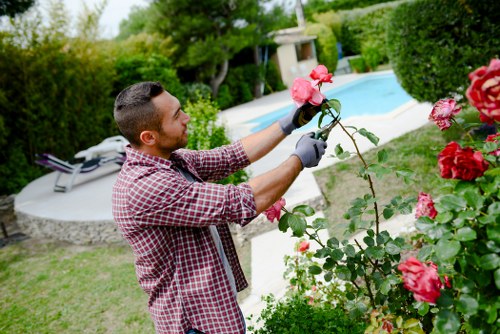
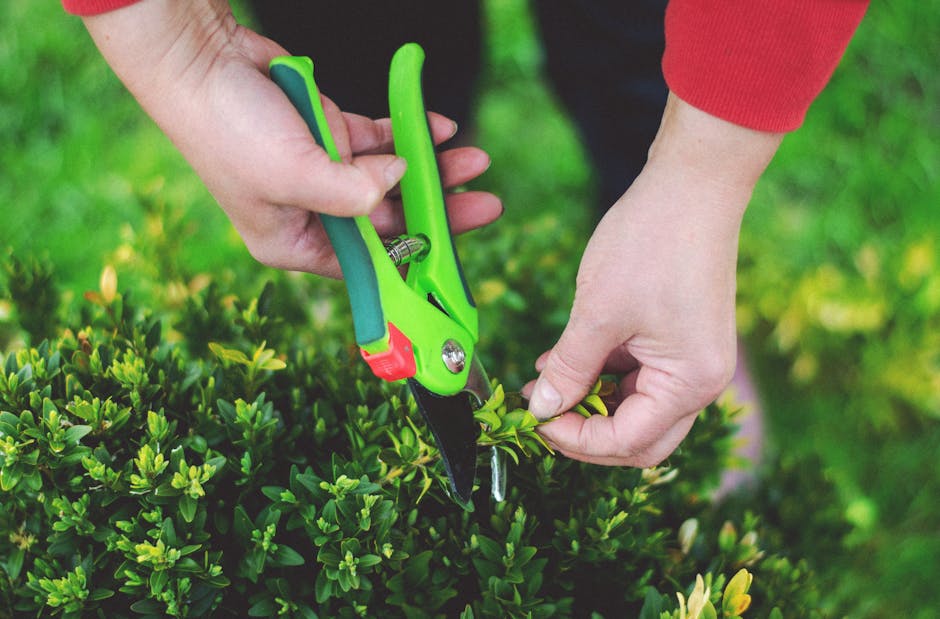
Careful hedge trimming in Plumstead keeps gardens neat, boundaries defined and growth in check without stripping plants back too hard. Our service focuses on shaping hedges to a clean line, reducing uneven growth and removing the stray shoots that make an otherwise tidy garden look unfinished. Whether you need a light seasonal tidy-up or a more considered reduction, we work with the hedge itself first, then the surrounding space, so the result sits naturally within the garden.
We handle hedges that have become too tall, too wide or simply too coarse at the edges, and we can also support regular maintenance where a sharper finish is preferred. Different hedge species respond in different ways, so the approach needs to suit the plant rather than force every boundary into the same shape. If you are comparing options, our hedge trimming service is the core offer, while related garden work can be planned alongside it when the site would benefit from a more joined-up finish.
Ask for a quotation if you want the hedge assessed for height, thickness and access, then a clear outline of what the trimming will involve. A straightforward enquiry is usually enough to begin, and it helps to know whether the hedge is a one-off job or part of a wider maintenance routine. Tell us what needs cutting back, and we can guide the next step without adding unnecessary complexity.
Shaping, Reduction and Ongoing Hedge Care
Good hedge work is not only about cutting back growth. It is also about preserving the form of the plant, keeping light where it is needed and making sure the hedge still does the job you want from it. A formal hedge often benefits from crisp sides and an even top, while looser garden hedges may need a softer reduction that keeps the structure healthy and balanced. The aim is always a finish that looks deliberate rather than rushed.
Some hedges need a simple tidy to remove overhanging shoots, while others need a more involved reduction because they have grown into paths, drives or neighbouring planting. We can trim for width as well as height, and we can help keep the line of the hedge consistent along its full length. For homeowners comparing wider garden options, our garden maintenance page covers the sort of ongoing care that often sits well alongside hedge trimming, especially where the whole boundary needs regular attention.
When planning trimming, it helps to think about the finish you want over the next season rather than only the immediate cut. A hedge that is clipped too hard can look bare or stressed, while one that is left too long can lose its line quickly. Balanced trimming is usually the best route when you want the hedge to recover neatly and keep its shape for longer. In practical terms, that means matching the cut to the hedge type, the time of year and the amount of growth present.
Managing Height, Width and Access

Hedges are often grown with a clear purpose, such as screening, privacy or boundary definition, so any trimming needs to respect that role. Reducing the top can bring a hedge back into proportion, but the work should still leave enough growth for the hedge to carry on doing its job. Side trimming is equally important where a hedge has started to spill into a route or narrow the usable space beside it. We aim for practical control as well as a tidy appearance.
Access is an important part of the job because long or dense hedges can be awkward to reach from one side only. Some require careful working from both sides, while others need extra attention near fences, walls, patios or planting beds. When a hedge borders a drive or front garden, the trimming approach may need to be slightly different from a sheltered rear boundary. If hedge cutting forms part of broader outdoor work, the landscape gardening page is a useful place to see how the trimming can sit within a larger garden plan.
The most suitable cut depends on more than length alone. Thickness, species, season and the desired finish all influence how much should be removed in one visit. That is why a quote request is most useful when it includes a brief description of the hedge, its approximate length and whether the work is mainly about height, width or general tidying. Clear information leads to a clearer quotation, and it helps avoid assumptions about the scale of the task.
Hedge Trimming as Part of Wider Garden Work
Many gardens benefit when hedge trimming is coordinated with other maintenance tasks rather than treated as a separate event every time. For example, a hedge that drops onto paths or lawns can make the rest of the garden look untidy even when the planting itself is healthy. Trimming first can improve access and make later work easier to manage. In some cases, it can also create a clearer view of the rest of the garden layout, which helps with future planning.
Where there is a need for broader cutting back, the trimmed hedge can be supported by other services such as garden clearance when the surrounding area also contains overgrowth, brambles or accumulated green waste. That said, hedge trimming is still a distinct task: it is about controlled shaping, not general tidying alone. The best results usually come from treating the hedge as a living boundary that needs a measured cut and a sensible line, rather than simply reducing bulk wherever it appears.
For many customers, the practical question is whether the hedge needs maintenance now or whether a more comprehensive garden clean-up would be better overall. A hedge that has just drifted out of shape can often be restored with careful trimming alone. A hedge that sits among a lot of unmaintained growth may need a broader approach. The right answer depends on the garden as a whole, which is why we look at the hedge in its setting before suggesting the most appropriate work.
When a Hedge Needs More Than a Light Clip
There is a clear difference between regular trimming and a hedge that has been neglected for a long period. A lightly overgrown hedge can often be put back into line with standard cutting, but a very dense hedge may need a slower, more measured approach so that the shape is restored without leaving it uneven. The work may also need to respect nesting seasons, plant health and the growth habit of the species involved. A careful cut is often better than an aggressive one.
If the hedge has become top-heavy, uneven or difficult to reach safely, it may need attention to several parts at once: the top line, the front face and the rear side. That can be more involved than many people expect, particularly where the hedge has crept into neighbouring planting or is leaning into a boundary. Our services overview is a simple way to see how hedge trimming relates to the other garden services available through the business.
In this kind of work, a sensible trimming plan often starts with the main problem area rather than trying to do everything in one indiscriminate pass. That may mean reducing a top line first, then reworking the sides once the overall height is under control. This staged approach is often better for the hedge and gives a more even result, especially where the plant has varied growth across its length.
What Affects the Quotation

Quotation details for hedge trimming are usually shaped by straightforward practical factors. The length of the hedge, its height, thickness and access all matter, as does whether the hedge is a simple boundary or part of a more complex garden edge. Trim work that involves both sides, awkward corners or obstructed access typically requires more time than a hedge that can be reached easily from open ground. A clear description of the job helps the quotation reflect the real work involved.
It can also be useful to mention whether the hedge is part of a one-off refresh or whether you are looking for ongoing maintenance. Repeated trimming often keeps the work more predictable, while a hedge that has gone a long time without attention may need a larger first visit. Where the hedge is linked to wider outdoor improvements, related pages such as landscaping can be helpful if you are also considering changes to the surrounding layout or planting.
To make the enquiry process simple, it is usually enough to provide a brief outline of the hedge, the main task and any access points that may affect the work. Useful details include:
- the hedge location within the garden
- rough length and approximate height
- whether trimming is needed on one side or both
- any areas where access is tight
- any preference for a light tidy or fuller reduction
Supporting Garden Boundaries and Neat Edges
Well-trimmed hedges do more than improve appearance. They also help define the edges of the garden, making boundaries easier to read and outdoor areas more comfortable to use. A hedge that has grown too wide can encroach on paths or planting beds, while one that has lost its line can make the whole space feel less orderly. Regular trimming restores that edge and keeps the garden functioning as a set of clear, usable spaces.
For properties where the hedge forms part of a boundary close to a fence or wall, trimming needs to be careful and deliberate so the finish is neat without causing unnecessary disturbance. In some gardens, the hedge may also work alongside turf and lawn areas, which means the line at ground level matters just as much as the top. If lawn edges and hedges both need attention, our lawn-mowing page shows another service that can support a cleaner overall garden finish.
Hedge trimming can also be planned around other outdoor elements such as beds, paving and seating areas. The aim is not to make the hedge look artificially rigid, but to keep it in proportion with the rest of the garden. That usually means a thoughtful cut, a consistent line and an understanding of how the hedge will continue to grow after the work is done. Control, shape and proportion are the three ideas that matter most here.
About Plumstead
Plumstead is a district in the Royal Borough of Greenwich in south-east London, long associated with a mix of residential streets, historic development and strong transport links. The area sits near Woolwich and Abbey Wood and has a character shaped by both older settlement and later suburban growth. One of its best-known historical features is Plumstead Common, a substantial open space that has been part of local life for generations and still provides an important green setting within the urban landscape. The common is associated with the wider social history of the district, including campaigns over common land in the nineteenth century, when many London commons faced pressure from enclosure or development. That history still gives the place a distinct sense of civic memory. The built environment around Plumstead includes terraces, interwar housing and a variety of later developments, while the railway has long influenced how the area connects with the rest of London. Plumstead station on the North Kent line links the district to the wider rail network, and the nearby roads and bus routes reinforce its role as a settled urban neighbourhood rather than a detached suburb. Local churches, schools, shops and community spaces contribute to everyday life, while the proximity of Woolwich, the Thames corridor and broader Greenwich landmarks places Plumstead within a larger cultural and geographic setting. The area is not defined by a single centre, but by a sequence of streets, green spaces and practical local amenities that give it a lived-in, working character. Its identity is closely tied to the balance between housing, open land and the continuing importance of local connections across south-east London.
Regular Trimming for a Reliable Finish
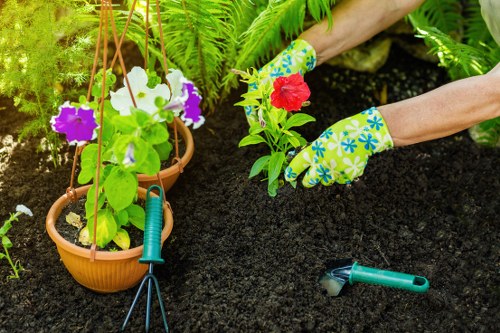
Once a hedge has a sensible shape, regular trimming is usually the easiest way to keep it that way. Frequent attention helps stop the growth from becoming woody at the edges and reduces the amount of corrective work needed later. This is especially helpful for hedges that are meant to look formal or neatly contained, because the finish is much easier to maintain when each visit removes only modest growth. A hedge that is looked after steadily tends to settle into a more consistent line.
We can support maintenance cycles that suit the hedge’s growth rate and the look you want to keep. Some hedges need a sharper, more exact cut several times through the growing season, while others are better with less frequent but still controlled trimming. Where the hedge is part of a larger garden schedule, the garden maintenance service can sit alongside trimming so that the broader space is looked after with a single practical plan.
Good maintenance is not only about cutting often. It is also about cutting well. The aim is a clean, even line that does not leave ragged edges or unnecessary stress on the plant. If you are uncertain whether your hedge needs a light tidy or a more involved reduction, a brief discussion of its condition is usually enough to set the right course. A tidy hedge should still look like a healthy hedge, and that principle guides the work.
Requesting a Quote for Hedge Trimming
When you are ready to move from idea to action, the simplest next step is to request a quotation based on the hedge itself and the kind of finish you want. A short description of the hedge type, the rough size and any awkward access points gives a much better starting point than a general request alone. If the hedge is mixed with other garden work, say so clearly so the quotation can reflect the full scope rather than just one part of the task. That helps avoid misunderstandings later.
It is often helpful to mention whether you are after a one-off trim, a reduction in size or a more regular maintenance arrangement. Those are different jobs, and each one affects the method and time involved. If you would like to compare trimming with other tree or boundary work, our tree lopping and removal page can help separate hedge care from larger woody growth tasks. The final step is straightforward: tell us what needs attention, and we can prepare the quotation from there.
Contact us for a quotation and include the key details that matter most to the hedge. If you can describe the hedge line, the current problem and the finish you want, it will be easier to provide a clear response. For broader business information, the about us page gives a simple introduction, while the contact us page is the place to make your enquiry.
Keeping the Work Focused and Practical
Hedge trimming works best when the objective is clear from the start. Some customers want a precise formal outline, others want the hedge pulled back from a path or fence, and some mainly need the overall height reduced to keep the garden balanced. These are related but not identical jobs, so it helps to define the main outcome before the work begins. A practical approach saves time and makes the finished hedge easier to judge against the original aim.
Where a garden includes mixed growth, seasonal tidying and a hedge that needs a proper cut, trimming can be combined with other relevant services such as landscape gardening or broader outdoor maintenance. That does not change the character of the hedge work itself; it simply gives you a way to align the hedge with the rest of the space. If the hedge is the main priority, though, it is perfectly reasonable to treat it as a standalone task and keep the quotation focused on that.
To finish, the most useful thing is a clear request and a workable sense of what the hedge needs. Whether the job is light shaping, a reduction or ongoing control, our role is to provide careful trimming that suits the plant and the garden setting. Send your details when ready, and ask for a quotation for hedge trimming in Plumstead.